

Average Cost of Bathroom Renovation Ontario
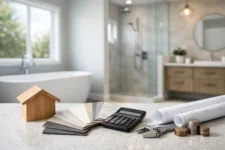
Sticker shock usually happens when a bathroom quote leaves out half the job.
The average cost of bathroom renovation Ontario homeowners should expect depends less on square footage alone and more on what is being changed behind the walls, how much tile is involved, and whether the layout stays put. A simple refresh can land in one price range, while a full gut renovation with plumbing, waterproofing, custom finishes, and permit requirements moves into another very quickly. If you want a realistic budget, you need to look at scope, not just the room.
What is the average cost of bathroom renovation in Ontario?
In Ontario, a basic bathroom renovation often starts around $12,000 to $18,000 for a smaller space with standard materials and a straightforward layout. A mid-range remodel commonly falls between $18,000 and $30,000. A higher-end bathroom renovation with custom tile work, premium fixtures, structural changes, or luxury finishes can run $30,000 to $50,000 or more.
That range is wide for a reason. Replacing a vanity, toilet, and flooring is a different project than rebuilding a shower, moving plumbing lines, correcting water damage, and installing new lighting and ventilation. Two bathrooms can look similar in photos and still have very different construction requirements.
For Ottawa-area homeowners, labor standards, material choices, and the condition of the existing bathroom all influence where your project lands. Older homes, in particular, tend to carry more unknowns once demolition begins.
Why bathroom renovation costs vary so much
Bathrooms are small rooms, but they are dense with labor. Plumbing, electrical, ventilation, waterproofing, tile setting, trim work, and painting all need to be handled properly in a tight space. There is not much room for error, and shortcuts usually show up fast.
The biggest cost driver is scope. If the layout stays the same and the substrate is sound, the project is more predictable. Once you start moving a tub, relocating a toilet, or converting a tub to a walk-in shower, the labor and coordination increase. The same is true when outdated wiring, poor venting, or water damage has to be corrected before finishes can go in.
Material selection also changes the budget quickly. A stock vanity and standard porcelain tile create a very different cost profile than custom cabinetry, large-format tile, niche shelving, heated floors, and frameless glass. None of those upgrades are wrong. They just need to be priced honestly from the start.
Cost ranges by renovation level
Cosmetic bathroom update
A cosmetic update usually means keeping the layout and avoiding major plumbing changes. This might include a new vanity, toilet, faucet, mirror, light fixture, paint, and basic flooring. In Ontario, that type of project may fall around $12,000 to $18,000 when completed professionally.
This works best when the existing tub or shower is still in good condition and the walls, subfloor, and waterproofing do not require deeper repair. It is the most budget-friendly path, but only when the bathroom is structurally sound.
Mid-range full renovation
This is where many homeowners land. A mid-range project often includes demolition, a new tub or shower system, tile, vanity, toilet, updated lighting, fresh paint, improved storage, and finish upgrades throughout. Typical pricing often sits between $18,000 and $30,000.
For many households, this level offers the best balance between appearance, durability, and resale value. It allows the room to be rebuilt properly without pushing into luxury pricing unless specific upgrades are added.
High-end or custom bathroom remodel
A high-end remodel can start around $30,000 and move well beyond $50,000 depending on size and finish level. Heated floors, curbless showers, custom glass, premium plumbing fixtures, built-in storage, stone surfaces, high-end tile patterns, and major layout changes all add labor and material cost.
These projects can deliver exceptional results, but they require detailed planning. Custom work is worth doing only when the installation quality matches the product quality.
The parts of the job that shape your budget
Demolition is the first stage that affects cost. Removing old tile, drywall, fixtures, and damaged materials takes time, especially if debris handling is limited by access or building conditions. In older bathrooms, demolition can expose problems that were never visible from the surface.
Plumbing and electrical work are often the next major factors. If the existing locations stay the same, cost remains more controlled. If lines need to move, capacity needs to be updated, or code-related corrections are required, the price rises accordingly.
Waterproofing is one area where professional standards matter more than bargain pricing. A bathroom that looks good but is not protected properly behind the tile is not a finished job. Quality waterproofing systems, proper prep, and correct installation are part of what separates a durable renovation from a future repair bill.
Tile installation also has a major effect on pricing. Standard tile in a simple pattern is one thing. Large-format pieces, detailed niches, accent bands, floor-to-ceiling coverage, and intricate layouts require more cutting, leveling, and finishing time. Tile is often where labor costs become very visible.
Fixtures and finish materials round out the budget. Vanities, countertops, faucets, toilets, tubs, shower trims, lighting, mirrors, and hardware all vary widely in cost. It is easy to add several thousand dollars in upgrades without noticing until selections are finalized.
What homeowners often miss when budgeting
Many bathroom budgets focus on visible finishes and ignore construction realities. The quote for tile and fixtures may look manageable, but the true project cost includes prep work, waterproofing, disposal, trades coordination, permits where needed, and final finishing.
Contingency matters too. In a newer home, you may have fewer surprises. In an older home, hidden rot, uneven framing, outdated plumbing, or previous renovation mistakes are common enough that some reserve should be built into the budget. A realistic contingency helps keep decisions calm if something unexpected appears.
Another common issue is comparing estimates that are not based on the same scope. One contractor may include full waterproofing, licensed trades, cleanup, and finish detailing, while another gives a lower number that leaves key work out. A cheaper quote is not automatically a better value if it creates change orders later or reduces quality where it counts.
How to budget for a bathroom renovation in Ontario
Start with your non-negotiables. If storage, shower performance, accessibility, or moisture control are problems in the current bathroom, solve those first. Appearance matters, but function should lead the budget.
Next, separate must-haves from upgrades. Good lighting and proper ventilation usually deserve priority over decorative extras. A durable vanity top may be more valuable than a premium mirror. This kind of planning keeps money focused on the parts of the room that get used every day.
It also helps to decide early whether the layout will stay the same. Layout changes can improve function, but they are one of the fastest ways to increase cost. If the current arrangement works reasonably well, keeping plumbing locations in place may free up budget for better finishes or better storage.
A detailed estimate is essential. Clear scope, material allowances, labor inclusions, and project sequencing reduce the risk of surprises. Companies such as Krul Construction build trust by pricing the work as it actually needs to be done, not by using low starting numbers that grow once the project is underway.
Is a bathroom renovation worth the cost?
For most homeowners, yes, if the work improves daily use and is built to last. Bathrooms handle moisture, heavy traffic, and constant wear. When finishes are dated or the room no longer functions well, a renovation improves both comfort and property value.
The key is doing the right level of work for the home and the household. Overbuilding for the neighborhood may not make financial sense, while underbuilding can leave you with a room that still feels compromised. The best investment usually sits in the middle – quality materials, proper installation, and a design that solves practical problems.
A bathroom renovation is not just a visual upgrade. It is one of the clearest examples of why planning, workmanship, and transparent pricing matter. If you build your budget around the actual scope, the final number is far less likely to surprise you, and the finished space is far more likely to hold up the way it should.
A well-planned bathroom should feel solid, clean, and easy to live with every day – and that starts with a quote that tells the truth about the work.